
Waiting for a Train
Waiting for a Train Part 2
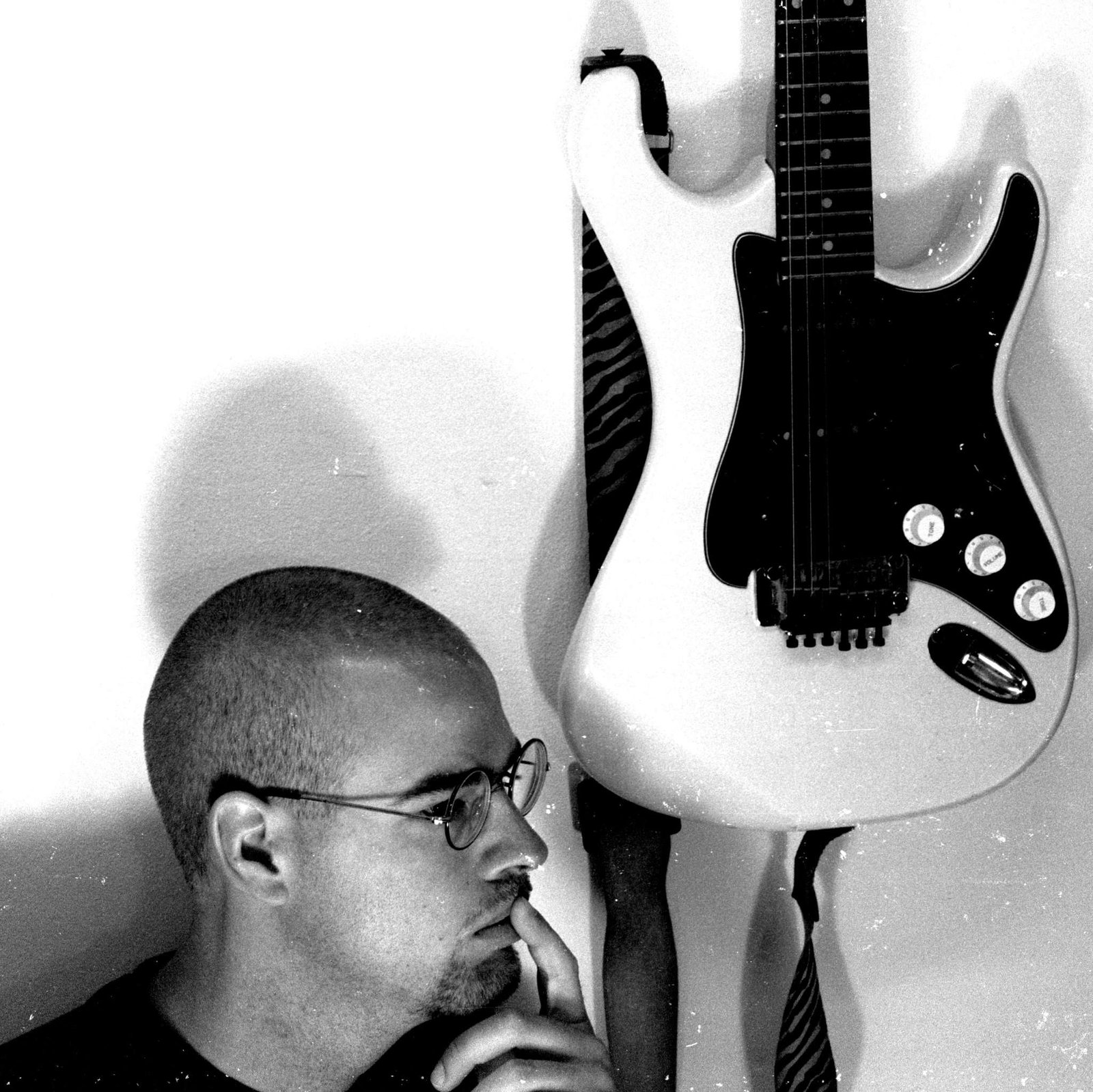
A quiet place where music, memory, and time meet.
Some moments in life don’t have the words yet.
They live in the hum of a tape machine warming up. In the room tone before someone speaks. In the breath between takes.
Cranial Cataclysm Studios began in those in-between spaces — where sound carries memory, and restoring it means restoring a part of a person.
“Waiting for a Train” is a reflection of that. A reminder that creation doesn’t always happen on command. Sometimes it arrives slowly, when you’re patient enough to listen.
Here, we honor the process — the quiet work, the unfinished work, the lost work, the work that asks for care.
And when the moment arrives? I press record.
Some things simply take time to arrive.
The past is not gone. It’s just waiting to be heard again.
Nothing that mattered is ever truly lost.
A collection of restored recordings from another time in my life.
“Waiting for a Train” is a concept album about life — the growing up, the loving, the losing, the rebuilding, and the quiet moments that define who we become. It traces the long arc of being human: childhood curiosity, first sparks of creativity, the rush of youth, heartbreak, recovery, aging, and the slow acceptance of time.
The album’s central metaphor is the train — not as escape, and not as destination — but as transition. A final journey, taken only once. The image of an old man sitting alone at a quiet station, suitcase in hand, reflecting on the life he has lived while waiting for the last train that will carry him into whatever comes next.
These songs were recorded during earlier chapters of life, before their meaning was fully understood. They carry the raw voice of youth — and now, in restoration, they also carry the weight of years, experience, and perspective.
Restoring these tapes is not just technical work. It is a conversation between who I was and who I am now.
Some of the recordings are hopeful. Some are aching. Some are unresolved — just like real life.
They are not polished to perfection. They are not rewritten to match the present. They are preserved, cleaned, and cared for — so that the emotion remains intact.
Because one day, every one of us stands at our own quiet station, watching the horizon, holding our memories close, waiting for a train.
This album is about that wait. About the beauty and grief of having lived. About the courage to face the final journey.
And about the music we leave behind.
Every recording has a history — not just in sound, but in where it has lived.
Some tapes have sat in desk drawers for 25 years. Some were recorded in bedrooms, garages, kitchens, and borrowed rehearsal rooms. Some were never finished because life happened — people moved, bands changed, time kept going.
When a recording comes to me, the first step is always the same:
I listen.
Not just to the audio — but to the intention behind it, the environment it was captured in, what it was trying to say.
Old tape is rarely clean. It comes with hiss, hum, uneven levels, print-through, and the imprint of the room it was born in. Sometimes it carries laughter in the background, sometimes the sound of someone shifting in a chair, sometimes the sound of breathing through a memory.
I start by stabilizing the transfer — pairing the right machine with the tape’s condition, adjusting tension, azimuth, and speed, ensuring the magnetic signal is captured *fully* before any restoration even begins.
Only when the recording is safely digitized do I begin to work.
I remove noise *only* where it’s clouding the truth of the sound. I reshape dynamics to bring voices and instruments back forward. I repair dropouts, align timing, and recover tone that was lost to age and storage. And all along the way, I listen for the human part — the thing that makes the recording *worth saving*.
The goal is never to make it sound “perfect.” The goal is to let the emotion return.
When the restoration is complete, we move into the creative stage:
- Balance.
- Warmth.
- Depth.
- Presence.
This is where the recording starts to breathe again — not as a relic, but as something *alive*.
And when the final master is printed — and someone hears the recording clearly for the first time in decades — that’s the moment everything stops.
Because the past becomes present again.
Not in memory. In sound.

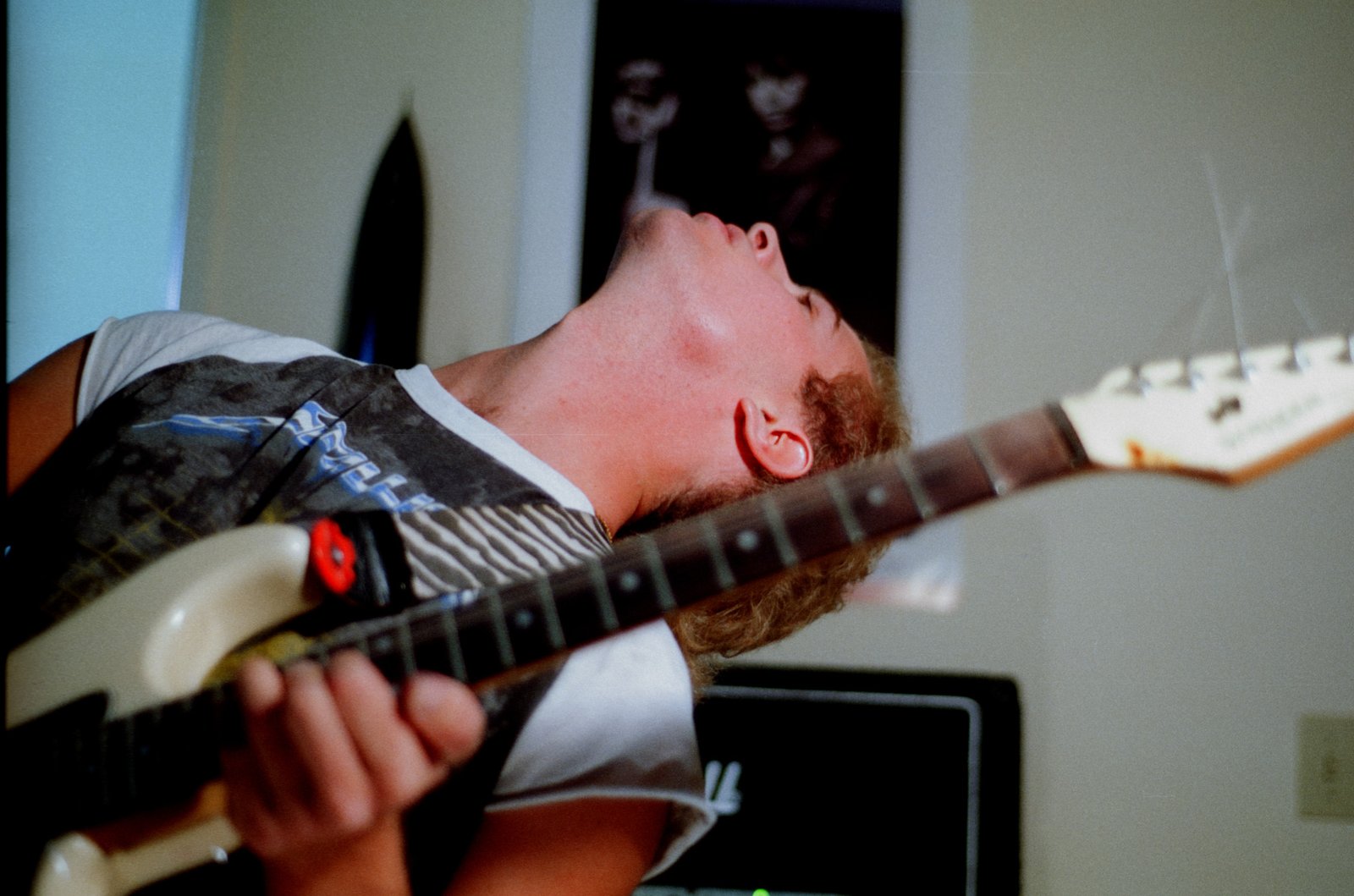
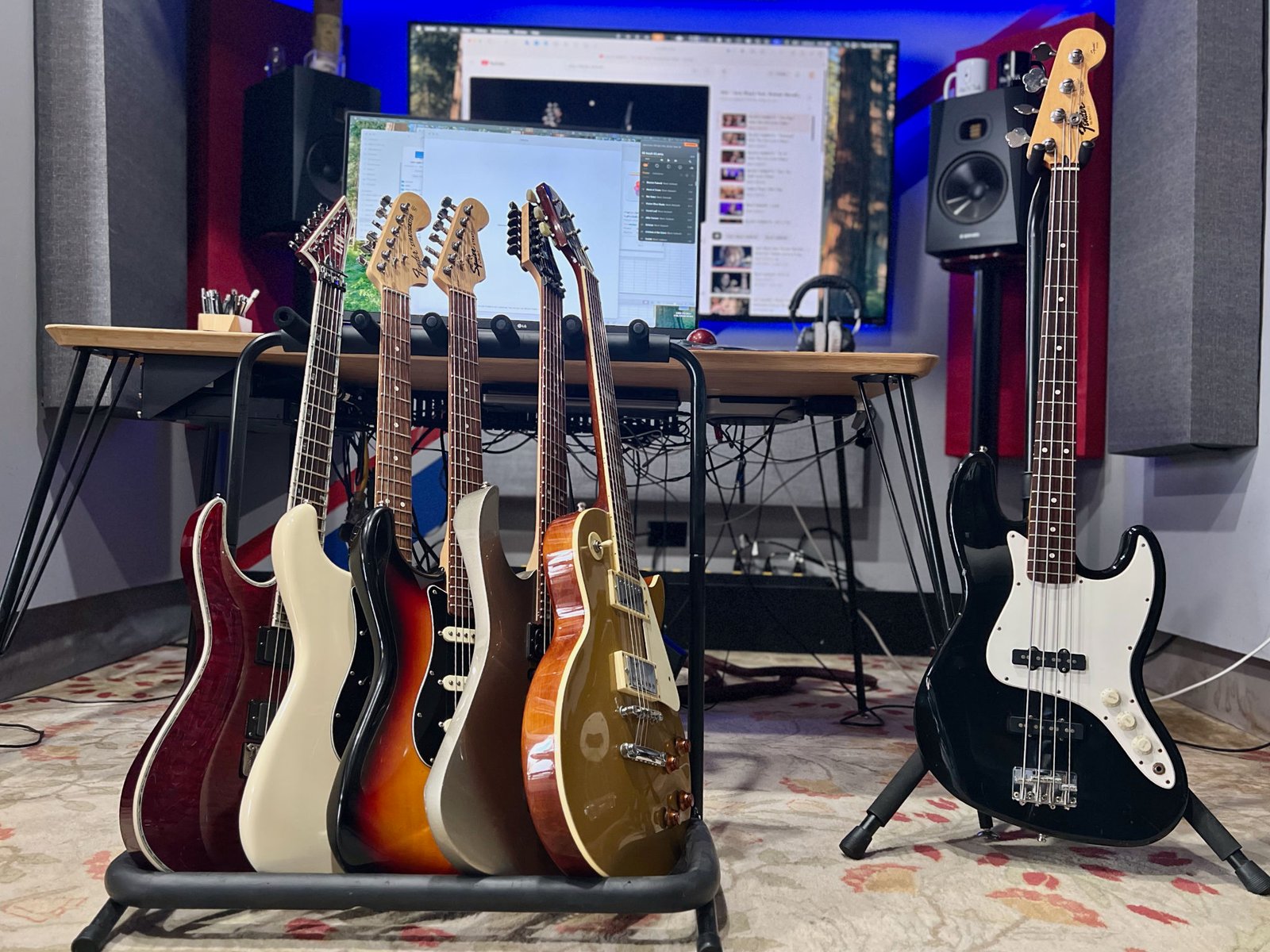
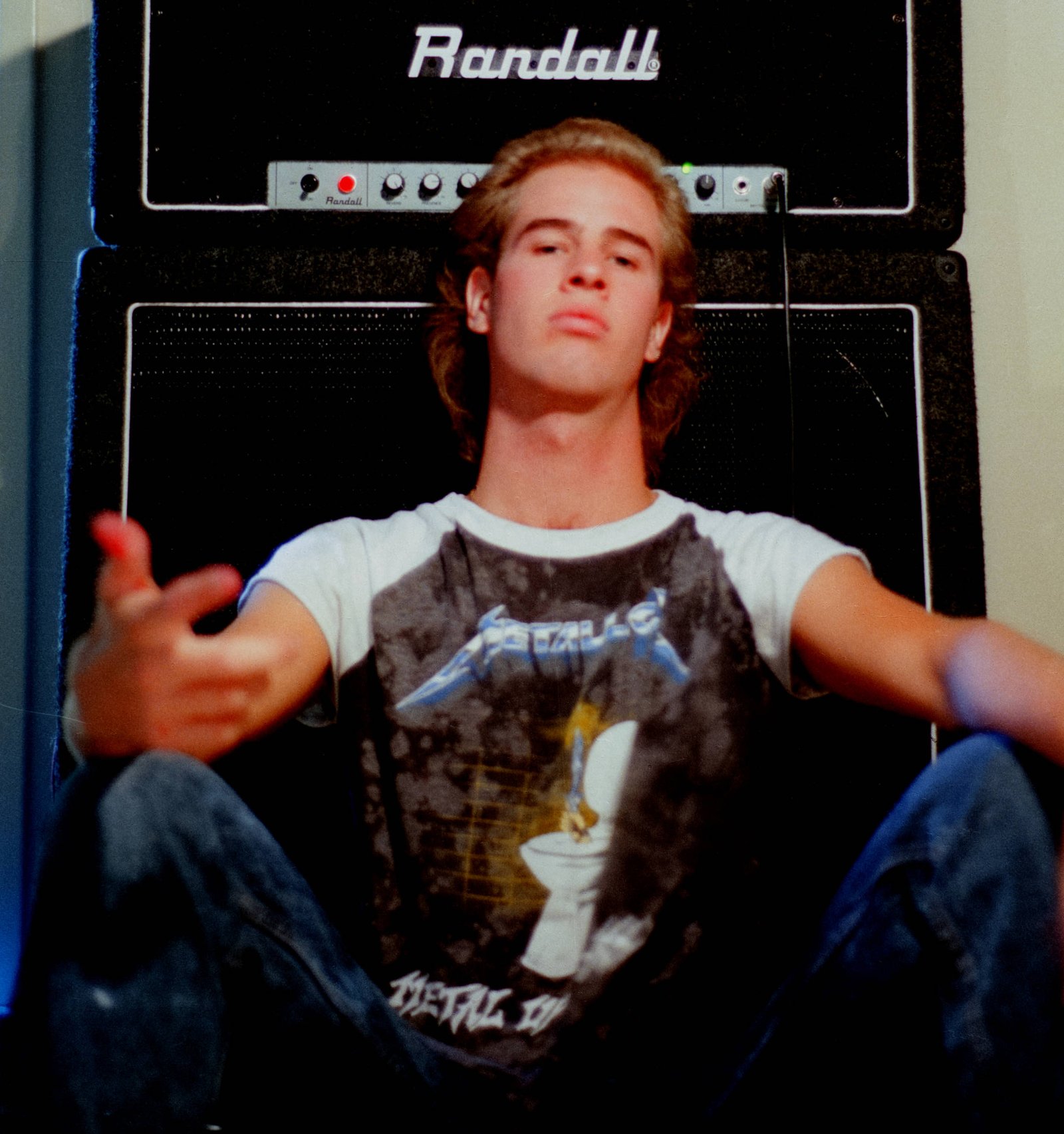
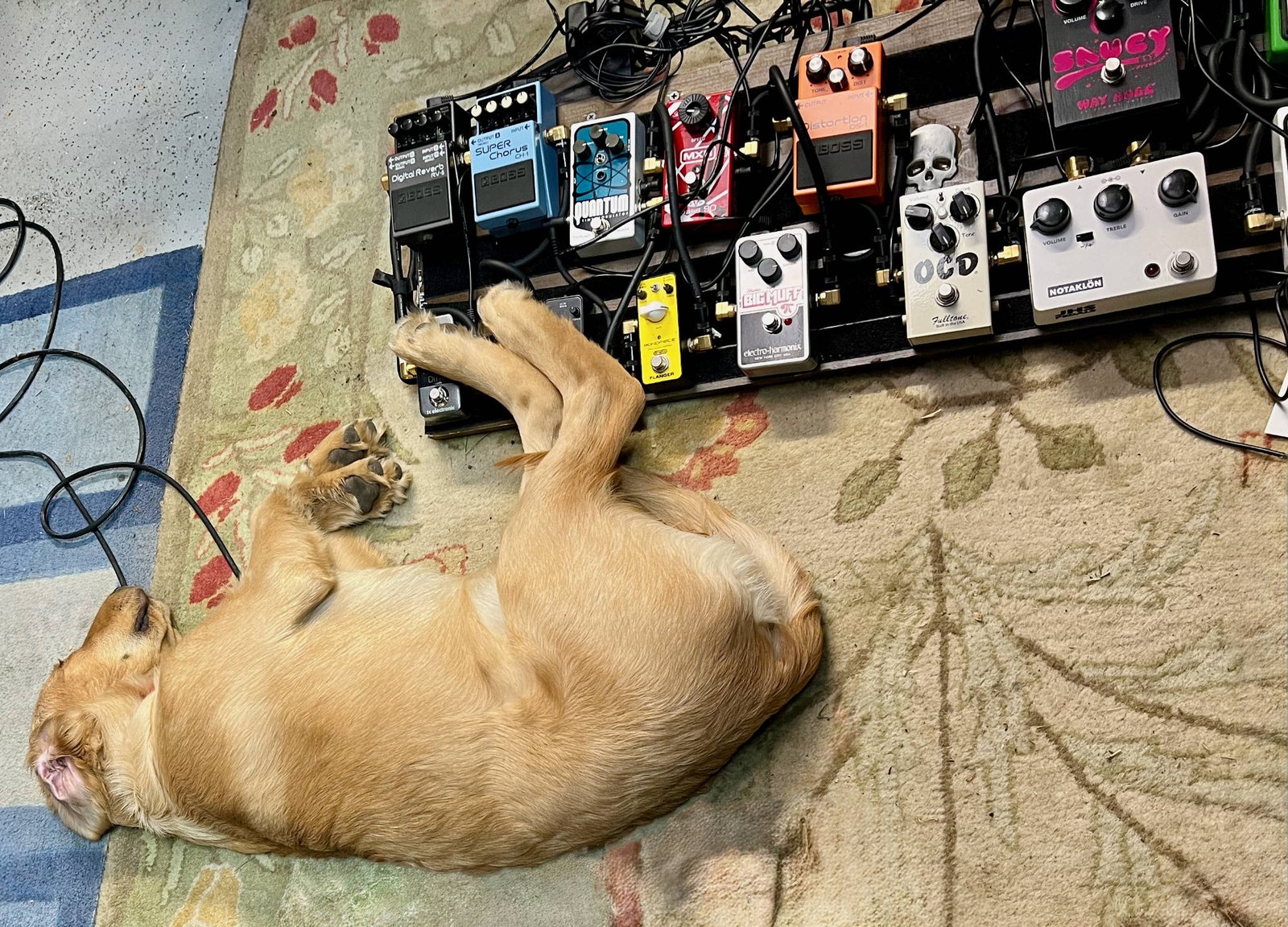

A lot can happen to a tape in 25 years.
Some of the recordings I work with were stored in closets and filing boxes. Others spent years in garages — in the heat of summer, the cold of winter, absorbing moisture, dust, and time. Many are not the original master tapes, but copies of copies made long ago — each pass introducing a little more hiss, a little more loss of clarity, a little less of what was once there.
Magnetic tape doesn’t just “wait.” It ages.
The oxide layer can shed. The binder can soften or dry out. High frequencies fade first. Sometimes the tape squeals, sticks, or drops out entirely in places. Sometimes the left and right channels don’t even match anymore. And sometimes the machine that recorded the original had its own quirks — alignment issues, stretched belts, flutter, or noise printed right into the signal.
So before any restoration begins, I stabilize the transfer. I choose the machine that matches the tape formulation and condition. Azimuth alignment is corrected by ear — not by guess. Speed is matched to the original performance — not assumed from the label. The goal is to bring every last bit of surviving signal into the digital world *intact* before touching anything else.
Once the tape is safely transferred, the real restoration begins.
I use the same high-end, industry-standard tools trusted in professional post-production, archival labs, and mastering studios worldwide. Tools designed not to “fix” audio, but to reveal what’s underneath:
- Broadband and spectral noise reduction to remove hiss and hum
- De-clicking to repair mechanical wear and splices
- De-hum and grounding correction for old power supply noise
- Transient and dynamic repair to restore presence and articulation
- Spectral editing to rebuild missing tone where time carved pieces away
None of it is one-button processing. Every move is done by ear — listening for the moment where the human part of the recording returns.
Once the noise is lifted and the signal is clear, I begin the creative restoration:
- Balance.
- Warmth.
- Depth.
- Presence.
Subtle compression to support the natural dynamic shape. EQ to restore tonal resonance that the tape lost long ago. Stereo adjustment to reconstruct the space around the recording. And finally, careful mastering to bring the recording into the present without erasing where it came from.
The goal is not to make it sound new.
The goal is to give it *life again.*
Because sometimes the most important thing a recording carries isn’t the music, or the voice, or the sound itself —
- It’s the person.
- The moment.
- The memory.
And when someone hears that again — clearly, fully, unmistakably — That is when the past stops being “gone.”
It becomes *here* again.
There is something important to say here about expectations.
Restoration is not resurrection. We cannot replace what was never captured, or undo every scar of time. Tape that has been copied and recopied, stored in heat and cold, lost and found again, will carry the life it has lived. It will never become something it wasn’t.
But it can become clearer. It can become truer. It can become something you can hear, understand, and feel again.
The goal isn’t perfection. The goal is honesty.
With the right tools, careful attention, and patience, a recording that once felt muddy, distant, or broken can regain warmth, shape, presence, and meaning. Not flawless — but alive.
And that matters.
Because the alternative — is that these recordings stay sealed in boxes, moved from garage to garage, carried from one chapter of life to the next, until one day the box is thrown away and the sound is gone forever.
The idea that something you once created — something that meant something — could simply vanish into the trash is a quiet tragedy most people never think about.
Releasing these recordings, even imperfectly, lets them *live* again.
- It lets others hear them.
- It lets the story continue.
- It keeps the moment from disappearing.
The thrill is not in polishing the past to look like the present. The thrill is in realizing the past still has a voice — and giving it enough clarity that someone else can hear it too.
These recordings were never meant to die in a garage.
They were meant to be heard.